
This is the fourth installment of a series by Luis Carlos Díaz covering cases of torture, neglect, and cruel treatment against political prisoners, based on the latest report by the UN Fact-Finding Mission. Originally published in Runrunes.
Of all the human rights violations documented by the UN International Fact-Finding Mission on Venezuela, sexual violence is likely the most underreported—the one that captures the fewest real incidents compared to what actually transpired. This is not because it happens less frequently, but because trauma, the fear of reprisals against victims or their families, and the social stigma attached to speaking out publicly function as an additional wall of silence.
In Venezuela, these crimes have been committed against political prisoners of all ages and genders, though more resources and mechanisms are still needed to continue documentation. It is still not safe to publish every detail. The report highlights an aspect that is often overlooked: these barriers of silence are “particularly significant for men and LGBTIQ+ persons”—the very group of victims least talked about when discussing sexual violence in detention settings. Every single case the Mission managed to document, therefore, almost certainly stands in for many more that will never be told.
The case of the Zulia city councilwoman
There is a story in this report split between two distinct sections of the document—one on the denial of medical care, and another on sexual violence—which is, in reality, the story of a single woman. She is a municipal councilwoman from Zulia state affiliated with an opposition party. The Mission identifies her solely by her office, not by name, a standard editorial practice designed to protect victims of sexual violence and one we will honor here as well. In the report, she is cited as interviewee ACIV003 across several paragraphs and sections.
The same journalist reported witnessing female detainees in the same facility being stripped naked and beaten with batons in plain view of others.
She was arrested for the third time in her life on May 31, 2025, and remained detained until her release on January 12, 2026. During her confinement at the Maracaibo Directorate of Police Investigations (DIP), authorities deprived her of food for the first three days despite knowing of a pre-existing gastric condition, until she collapsed in the courthouse basement. The medical care she eventually received was, according to the report, both delayed and woefully inadequate.
Here, a name emerges that must be formally recorded. The detention facility director, identified as Mickael Pérez, repeatedly blocked her access to medical care, going so far as to destroy court orders that authorized her transfer to a hospital. Her health deteriorated drastically: she suffered from severe malnutrition, vomited blood, experienced partial vision loss, contracted septicemia, and developed fluid buildup in both her heart and legs. She was only taken to a hospital when her condition turned critical. She spent four days in intensive care and twelve more hospitalized. She was then returned to prison without completing her prescribed treatment.
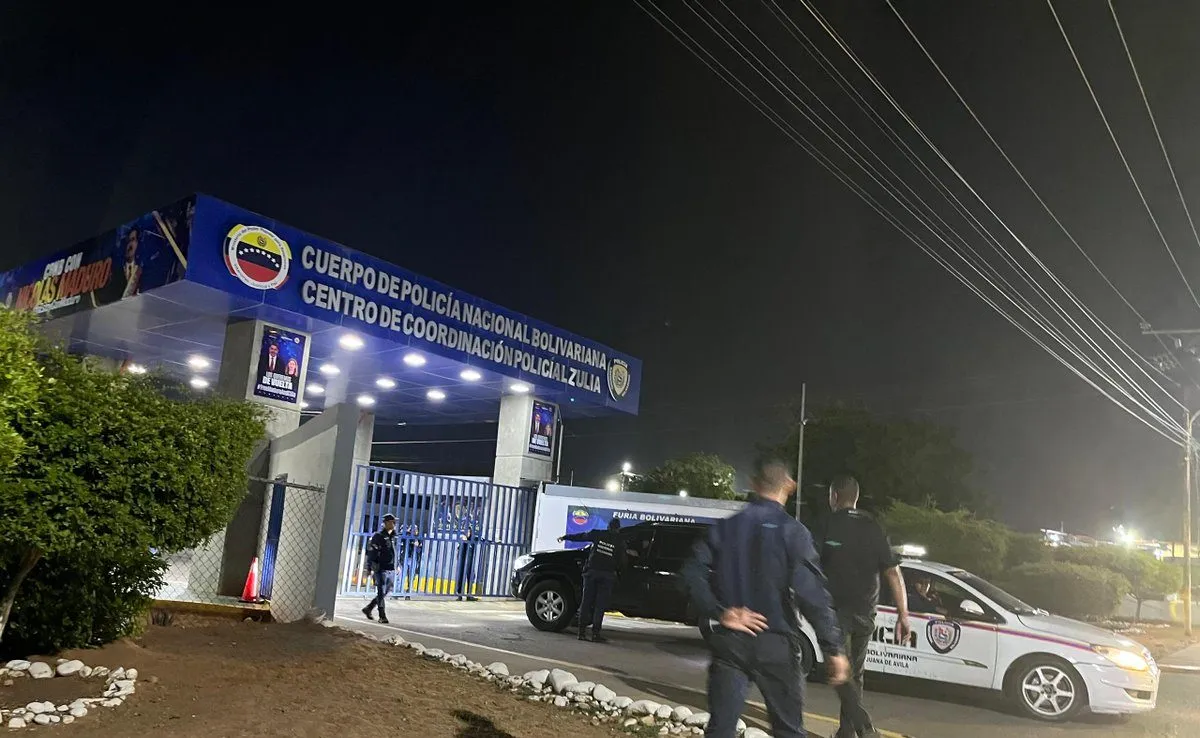
That same director, Mickael Pérez, reappears later in the report. This time, he figures in the section dedicated to sexual violence, implicated alongside another official identified only by the surname Galicia in acts of sexual and gender-based violence against this same councilwoman while she was held at a Bolivarian National Police post in San Francisco, Zulia state.
Read together, these two fragments reveal something lost when viewed in isolation: the same individual, under the custody of the same official, suffered deliberate medical neglect that nearly killed her, alongside sexual violence—all within a single, prolonged detention ordeal driven by her opposition work. As in other cases, these were not disconnected occurrences. They were elements of a continuous, sustained pattern of punishment inflicted on the same woman over time.
When the victim is a man
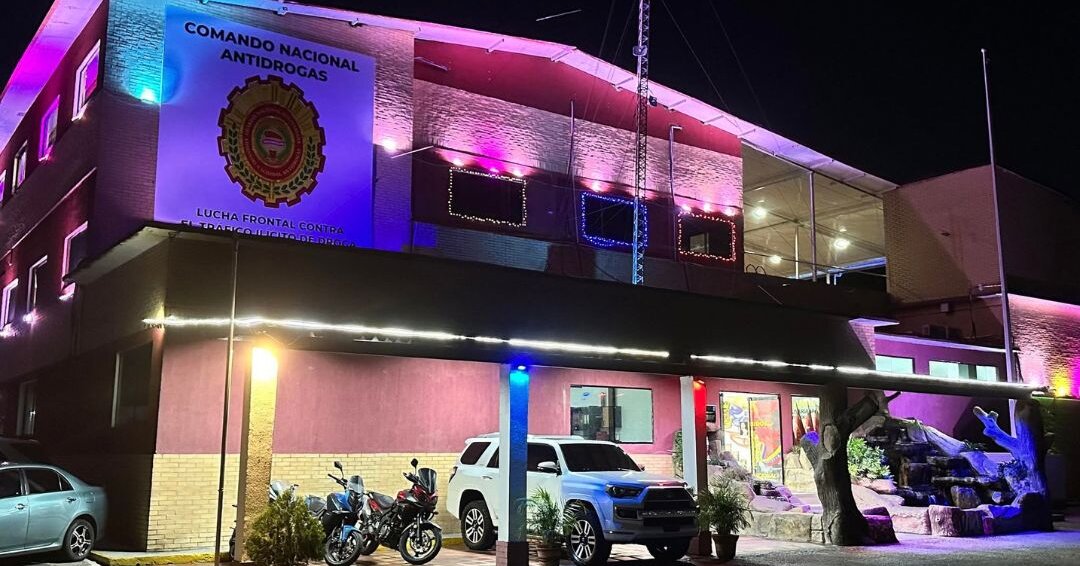
The 2026 report also documents a case that dismantles a common misconception: that sexual violence in detention affects only women. A journalist held at the Las Acacias National Anti-Drug Command in Caracas recounted being subjected to forced nudity, exposure to freezing water, deliberate food restrictions, and a complete denial of medical care. According to his testimony, the head of the detention center pulled down his own trousers in front of him and explicitly threatened to rape him. The same journalist reported witnessing female detainees in the same facility being stripped naked and beaten with batons in plain view of others (paragraph 462 of the report).
Throughout this period, the General Command of the Bolivarian National Guard (GNB) was held by Major General Elio Ramón Estrada Paredes, who served from July 2023 until March 2026.
To speak without euphemisms
In its general conclusions, the Mission outlines the full pattern through an itemized inventory that should not be watered down, because precision is what gives this report its weight: threats of rape, non-consensual sexual touching, electric shocks to the genitals, forced nudity, and invasive body searches, including inspections of private parts. Furthermore, it clarifies a vital legal distinction: depending on the specific circumstances, these acts legally constituted torture or cruel, inhuman, or degrading treatment. This is the exact legal threshold noted in the previous piece on punishment cells.
Finally, one historical reality bridges this article with the first installment in this series regarding the institutional continuity of the repressive apparatus. In a December 2025 report focused specifically on the role of the Bolivarian National Guard, the Mission had already determined that this military branch made an “institutional and operational contribution” to gross human rights violations dating back to 2014, 11 years before the US strikes and Maduro’s fall. These violations included torture, ill-treatment, and sexual and gender-based violence committed by its ranks.
What this extract documents is not new behavior by newly minted institutions. It is the continuation, verified year after year by the UN Fact-Finding Mission, of an entrenched institutional practice spanning over a decade. Steadily reinforced and entrenched by absolute impunity.